
Call For A FREE QUOTE!
(401) 496-9519Pressure washing is a popular approach for cleaning exterior surfaces. People often wonder about the chemicals involved and how they might affect foliage, grass, or the overall garden. Proper understanding of detergent runoff and how plants absorb water is crucial for a safe experience. Many homeowners ask if common cleaning agents might hurt delicate greenery, especially when bleach is involved. Careful application and mindful strategies can protect both your home and your landscaping in any weather, conditions, and various elements.
Many homeowners wonder, “Will pressure washing with bleach kill plants?” If harsh detergents or bleach seep into the soil or grass, they could severely harm surrounding plants, disrupting natural ecosystems and potentially damaging your landscape.
Homeowners often ask about the best methods to keep house exteriors free of grime while protecting delicate foliage. The answer lies in understanding weather patterns, applying diluted solutions, and monitoring detergent runoff. Pressure levels should be fine-tuned so grass and other greenery remain safe during any cleaning process. Proper measures help folks relax.
Concerns about bleach runoff often surface because bleach contains sodium hypochlorite, a chemical that’s tough on organic matter—including the leaves, stems, and roots of your plants. When you pressure wash with a bleach solution, tiny droplets can drift onto nearby greenery, and runoff may seep into the soil.

Bleach can cause leaves to turn brown, shrivel, or drop prematurely. It disrupts the cellular structure of plant tissues, leading to leaf burn and other visible damage.
When bleach seeps into the soil, it raises alkalinity. This sudden shift in pH can reduce the availability of essential nutrients, stressing plants and harming soil microbes that keep your garden healthy.
A thriving garden depends on a complex web of beneficial microbes, fungi, and insects. Bleach residues can kill off these organisms, weakening the natural support system your plants rely on for nutrients and disease resistance.
Replacing shrubs, flowers, and other greenery damaged by chemical exposure can become expensive. Taking precautions during a pressure-washing project is far less costly and labor-intensive than repairing widespread harm later.
So, will pressure washing with bleach kill plants if you aren’t careful? In many cases, it can severely damage them. But with proper handling and a clear understanding of potential risks, you can avoid most negative outcomes.
Before diving into preventive measures, it helps to understand exactly how bleach interacts with both the above-ground parts of your plants and the soil beneath them. Knowing these mechanisms will make it clearer why certain protective steps are so important when cleaning your lawn, patio, or driveway..
When bleach-laden water trickles into the soil:
In short, bleach can hurt plants directly by scorching their leaves and indirectly by modifying the soil they depend on. If you’re worried about the question, “Will pressure washing with bleach kill plants in my yard?”, this two-pronged risk is the main reason why it often can—unless you take steps to mitigate the damage.
Once you’re aware of bleach’s potential dangers, you can take proactive steps to minimize harm. Proper preparation is key to preserving the health and appearance of your landscape.
Walk around your property and locate flower beds, vegetable gardens, young saplings, or other delicate greenery. Make a mental or written note of which areas require the most shielding from chemical sprays.
Thoroughly water any at-risk sections of your yard before you begin pressure washing. Moist soil acts like a buffer, diluting any stray bleach that might seep in. This simple step is often enough to dramatically reduce chemical penetration around roots.
In especially vulnerable spots, cover plants with breathable tarps or plastic sheeting. This prevents direct contact from bleach overspray and adds a physical layer of protection. Remember to secure covers at the base to stop wind gusts from blowing bleach-laden water underneath.
Think about how water will flow across your property. By working in smaller, sectioned-off areas and moving away from delicate plant beds, you steer the chemical runoff toward safer zones or appropriate drainage points.
When you organize your cleaning project with these precautions, you significantly lessen the likelihood of needing to ask again, “Will pressure washing with bleach kill plants I’ve just worked so hard to protect?” Good preparation makes a world of difference.
Strategic use of pressure washing equipment and methods further reduces the risk of bleach damage.
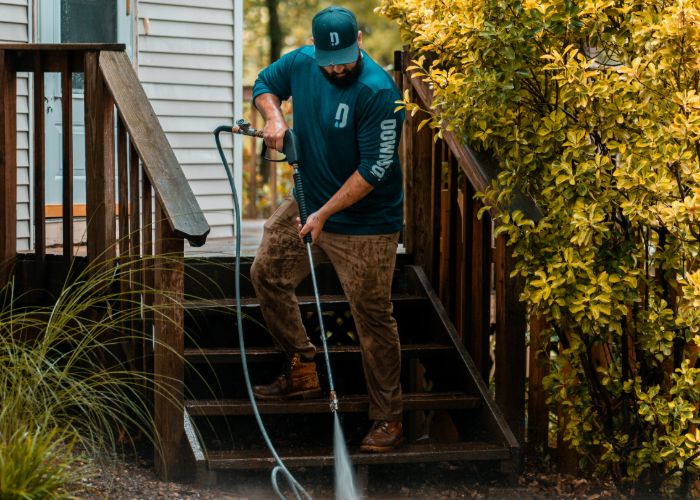
Use lower pressure near plants and angle sprays away from foliage. Avoid high-pressure blasts that scatter bleach droplets across unintended areas. Careful control preserves both exterior surfaces and nearby vegetation.
Dilute bleach adequately, typically at a ratio recommended by product guidelines. Controlled application minimizes chemical exposure, limiting the likelihood of bleach reaching your plants in harmful concentrations.
Even after you’ve prepared your yard, applying the right techniques during the actual pressure-washing process is essential for keeping your plants safe.
Always direct the spray away from any nearby foliage. If you’re washing a fence or siding that’s directly next to plants, use short, controlled bursts to keep bleach-laden water from splattering back onto the soil.
Rather than washing the entire exterior at once, tackle smaller, isolated areas. This makes it easier to:
Following these best practices can significantly reduce the likelihood that your foliage will suffer chemical stress during your cleaning project.
Consider safer cleaning solutions to avoid potential harm altogether. Environmentally friendly options effectively clean exterior surfaces without risking plant health.

If you want to avoid repeating the question, “Will pressure washing with bleach kill plants around my home?” using milder, plant-safe cleaning agents provides a reliable solution. You may need to put in a bit more elbow grease, but it can spare you a lot of worry and potential damage in the long run.
No matter which cleaning approach you choose, proper rinsing can make a huge difference in preventing bleach residues from settling on leaves and in the soil.

As soon as you finish cleaning a section:
These simple post-wash steps go a long way toward alleviating concerns about “will pressure washing with bleach kill plants if there’s leftover residue?” Most minor contact issues can be resolved if you act swiftly to rinse and dilute any lingering chemicals.
Even with all the right precautions, accidental overspray or unexpected rainfall can sometimes cause bleach to spread. If you spot damage, quick intervention can save your plants from more extensive harm.
If certain branches or leaves show obvious burn marks, clip them off to prevent further stress. This allows the plant to focus on healing healthier tissue.
Applying organic matter or compost can rejuvenate beneficial microbes in the soil. A mild, balanced fertilizer may also help if the bleach has disrupted nutrient uptake.
Damaged plants are more susceptible to further stress from direct sunlight and high temperatures. Temporarily offer them partial shade—especially if they appear wilted—and ensure they stay well-watered.
Some damage is reversible, while more severe chemical burns may mean a plant won’t fully recover. Keep an eye on your garden for a few weeks. If plants begin to rebound with new growth and healthy leaves, you know your intervention has been effective.
Seeking professional assistance significantly reduces the risks associated with bleach use during pressure washing.

Professionals at Rhode Island Power Washing & Roof Cleaning assess each property uniquely, identifying areas where plants may be at risk. Customized plans ensure effective cleaning without harming your landscaping.
Rhode Island Power Washing & Roof Cleaning emphasizes environmentally friendly techniques and products, significantly reducing risks to your garden. Our knowledge of local conditions ensures safer application practices.
Achieving a spotless exterior without damaging your garden is entirely possible with proper precautions. Understanding how bleach impacts plants, using protective measures, and choosing eco-friendly alternatives play crucial roles. Ultimately, consulting with professionals like Rhode Island Power Washing & Roof Cleaning guarantees thorough cleaning and robust protection for your landscape, allowing you peace of mind and a beautiful, healthy garden. Contact us today!
